The site
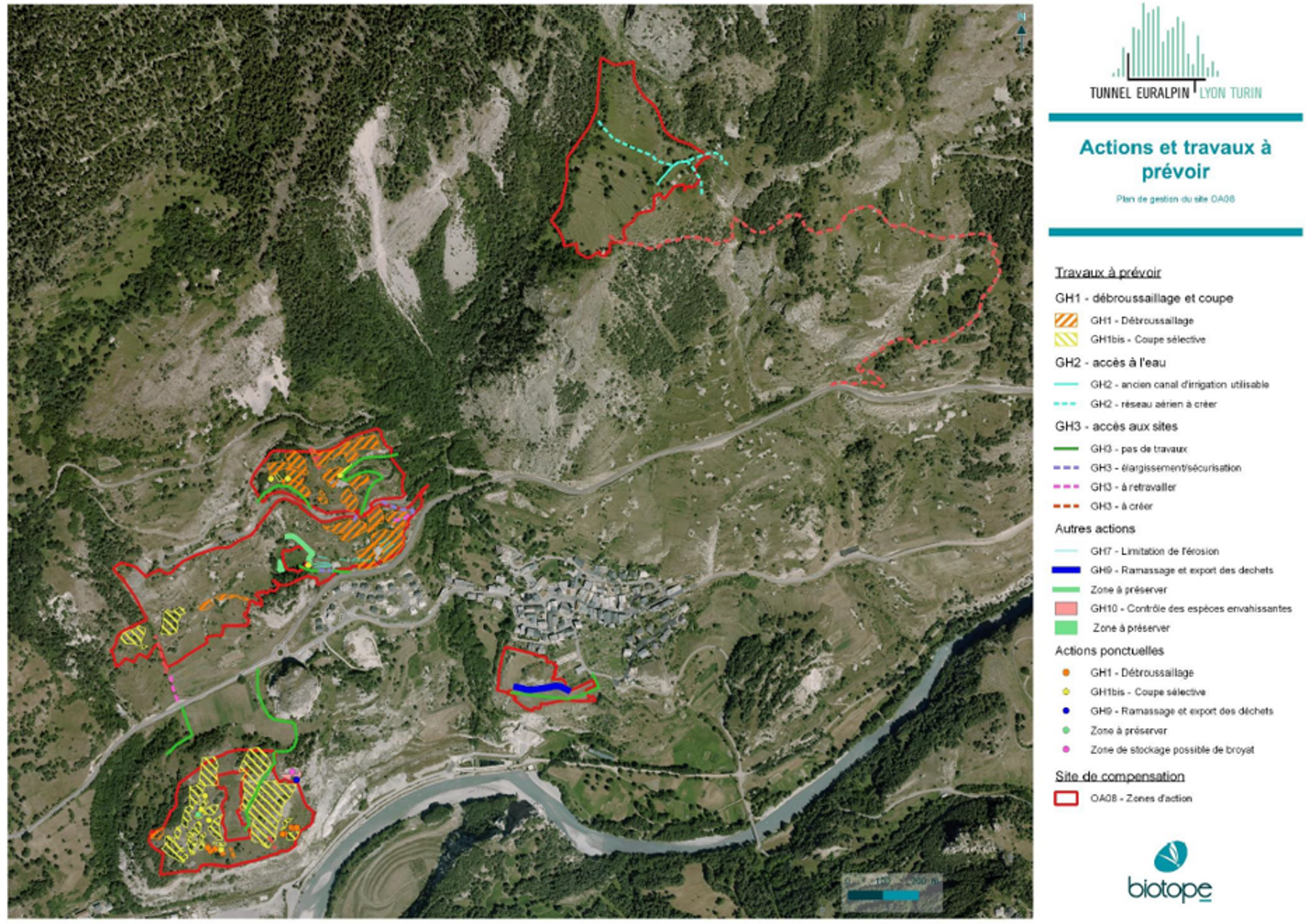
This site is divided into five distinct areas located on the sunny, south-facing slopes of the municipality of Villarodin-Bourget, covering a total surface area of approximately 20 hectares. It consists of dry grasslands arranged in a mosaic pattern, interspersed with patches of scrubland, shrub, and woodland.
Key issues
Taking advantage of optimal exposure to sunlight and the particular semi-continental climate of the Maurienne Valley, the site features extensive areas of steppe grasslands and dry meadows dominated by Valais fescue, a protected species in the grass family. These meadows, which were once largely cultivated areas, host a remarkable diversity of plant and animal species. Among the rarest and most significant are Ethiopian sage and Dauphiné alkanet among the flora, Apollo and Small Apollo butterflies, smooth snake and asp viper among reptiles, and woodlark and linnet among birds. The closing of open habitats due to the abandonment or reduction of agricultural practices is the main issue that could threaten this exceptional reservoir of biodiversity.
Partners
Pastoral Land Association of Villarodin-Bourget
Objectives
Adapting agricultural practices to the sensitivity of habitats and species
Maintain habitats generally open and reopen them where necessary; Carry out works and developments required to sustain agricultural activity.
Maintain and diversify habitats favorable to the fauna of grasslands, scrublands, and forest environments.
Removing waste that could potentially pollute the environment
Monitoring and, where necessary, controlling the spread of invasive alien species in order to maintain habitat quality
Raising public awareness of ecological issues
Monitoring changes in plant and animal populations on the site
Discover…
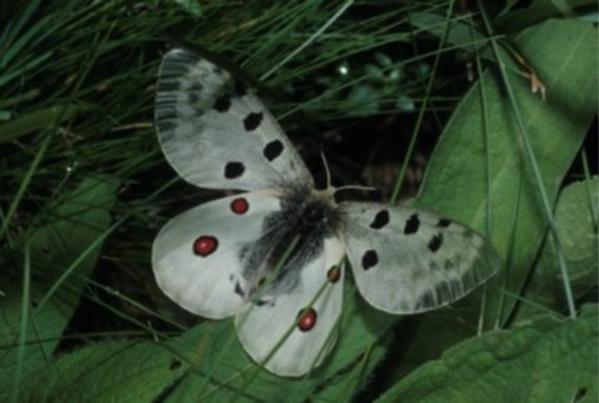
The Apollo. Insects also have their god, without golden hair but with wings adorned with black and red spots on a cream background. An emblematic butterfly of the French mountains, the Apollo inhabits dry, rocky slopes, sparse grasslands with low vegetation cover, scree, and cliffs, preferably between 800 and 2000 meters in altitude. The caterpillar develops on certain so-called “succulent” plants, in the sense that their tissues are filled with liquid substances, such as white stonecrop.